
ZIAD KATRIB, MD
RHINOPLASTY, NOSE JOB AND RECONSTRUCTIVE SPECIALIST
ZIAD KATRIB, MD
RHINOPLASTY, NOSE JOB AND RECONSTRUCTIVE SPECIALIST




PRIMARY RHINOPLASTY

Top Choice for Nose Jobs in Indianapolis, IN
Rhinoplasty, or Nose Reshaping, is the most transformative facial procedure available, enhancing nasal shape, restoring facial harmony, and improving breathing all in a single surgery. Indianapolis patients searching for a true rhinoplasty specialist no longer need to look locally. Dr. Katrib, Louisville’s most sought-after rhinoplasty expert, welcomes patients from Indianapolis and across Indiana, delivering results that are elegant, natural, and precisely tailored to your unique facial features. Just two hours down I-65
REVISION RHINOPLASTY
Indianapolis Patients Trust Dr. Katrib for Complex Revision Rhinoplasty
Revision rhinoplasty is the most challenging facial plastic surgery procedure and requires advanced skill. Indianapolis patients seeking the best revision rhinoplasty surgeon choose Dr. Katrib for his meticulous approach and ability to correct structural and cosmetic issues from past surgeries. With patients traveling from Indianapolis, Carmel, Fishers, and across Indiana, Dr. Katrib has become the trusted choice for those who demand the highest level of revision expertise

NASAL RECONSTRUCTION

Advanced Reconstructive Rhinoplasty for Indianapolis Patients
For Indianapolis patients requiring structural rebuilding due to trauma, cancer removal, prior surgical complications, or congenital issues, Dr. Katrib offers leading-edge nasal reconstruction with exceptional functional and cosmetic outcomes. Patients across Indiana trust Dr. Katrib’s expertise for the most complex reconstructive rhinoplasty cases, knowing his exclusive focus on the nose delivers results that go far beyond what a general plastic surgeon can achieve.
THE NOSE DOC
Ziad Katrib, M.D., F.A.C.S.
DOUBLE BOARD CERTIFIED FACIAL PLASTIC SURGEON
Changing the Face Beauty with Expertise
Double board-certified and highly specialized, Dr. Katrib is a leading rhinoplasty (nose job) and facial reconstructive surgeon, recognized nationally and internationally for exceptional patient outcomes and advanced surgical expertise
OVER 300 HAPPY PATIENTS
What is rhinoplasty ?
Rhinoplasty is far more than a simple cosmetic adjustment; it is a sophisticated architectural reconstruction that balances the intricate physics of airflow with the delicate artistry of facial symmetry. While commonly understood as a “nose job,” the procedure involves a high-stakes manipulation of the nasal valves, the cartilaginous L-strut foundation, and the overlying soft tissue envelope to ensure that any aesthetic refinement actually strengthens, rather than compromises, the respiratory system. What is rarely discussed on the open web is the “Identity Crisis” phase of the recovery, where the brain must recalibrate its self-recognition as the central anchor of the face changes, often leading to a temporary psychological adjustment period. Furthermore, patients often experience “The Smile Lag,” a unique post-operative phenomenon where the upper lip feels stiff or immobile for several weeks due to temporary nerve disruption at the nasal base, alongside a “phantom” numbness in the nasal tip that can persist for up to a full year as the micro-nerves regenerate. Modern techniques have shifted toward preservation rather than destruction, utilizing “Let-Down” methods that lower the nasal bridge from beneath the surface to maintain the natural dorsal lines, avoiding the tell-tale “scooped” look of traditional surgeries. Ultimately, a successful rhinoplasty is a silent victory of engineering where the most profound changes are those that look as though the surgeon’s hand never touched the face at all.
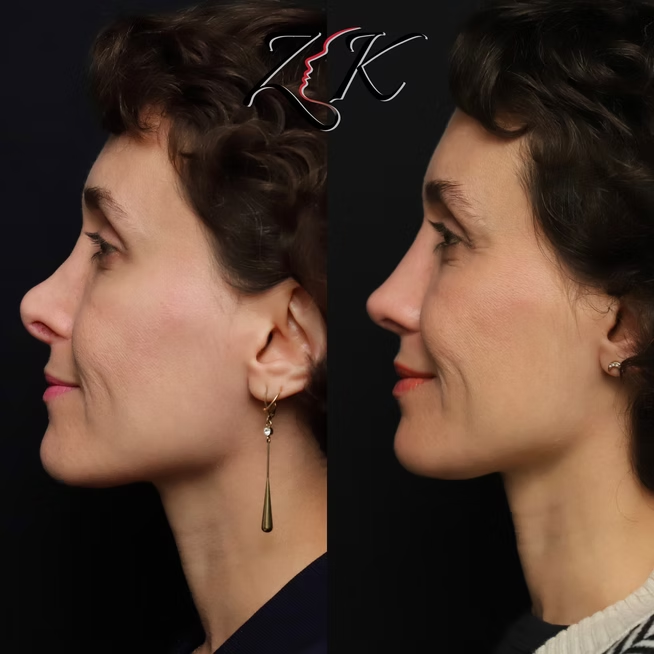
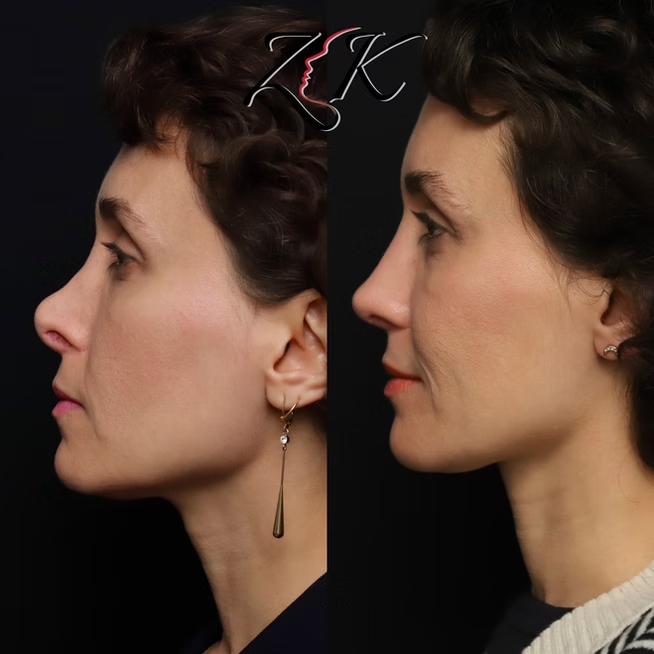
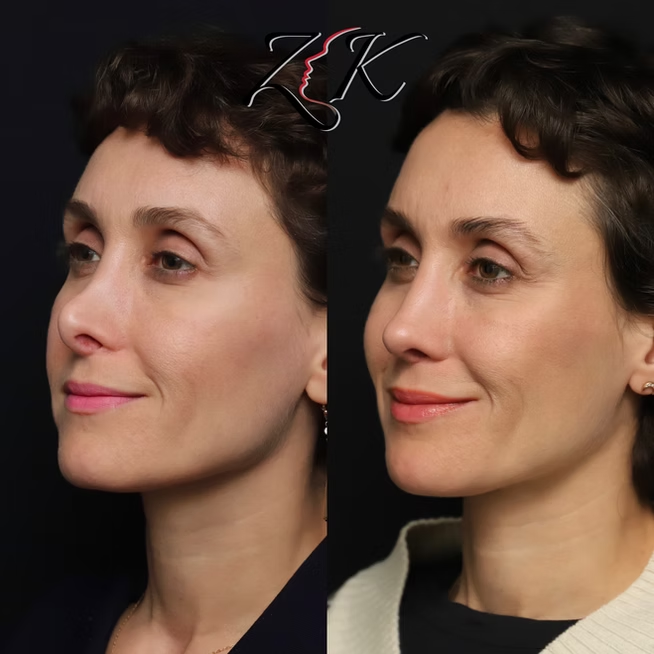
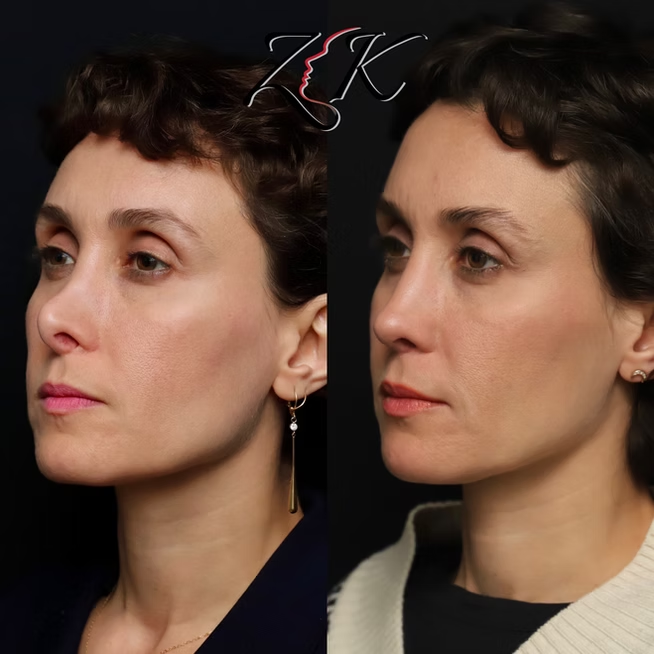
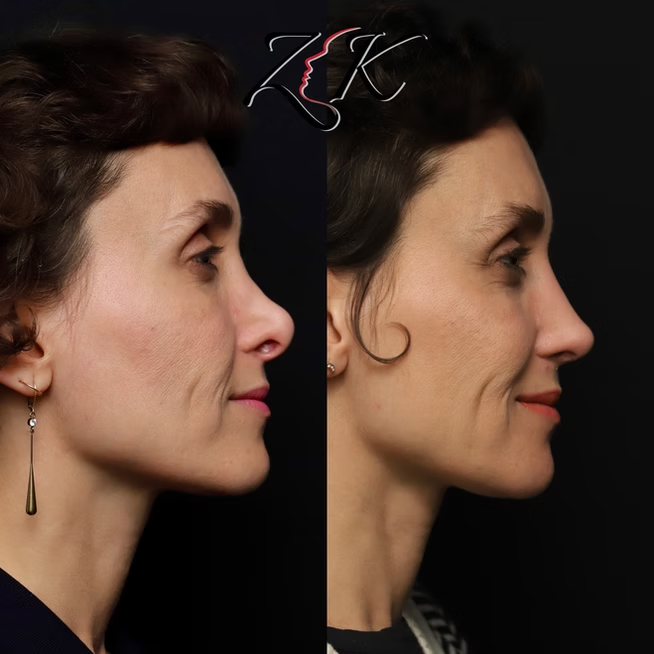
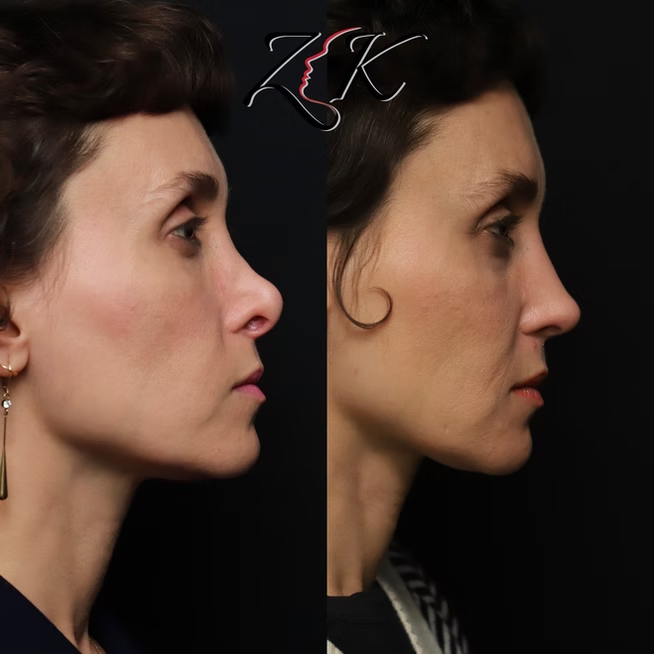
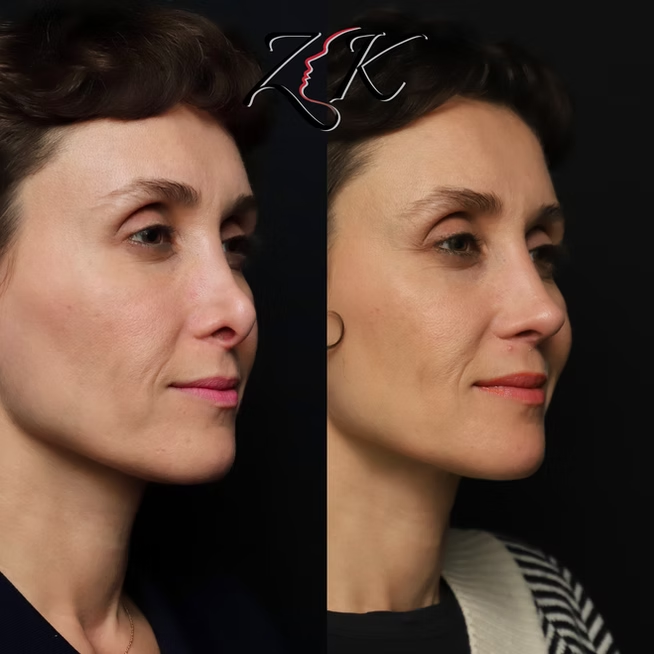
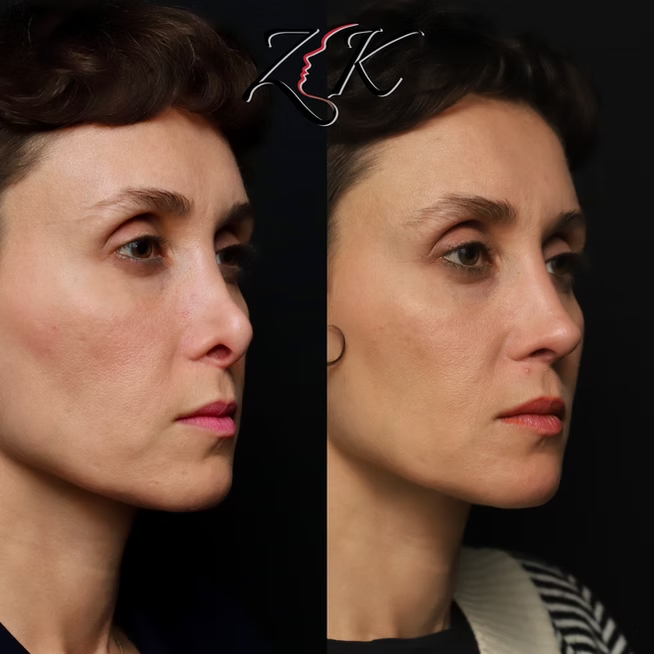
Reasons to Get a Rhinoplasty
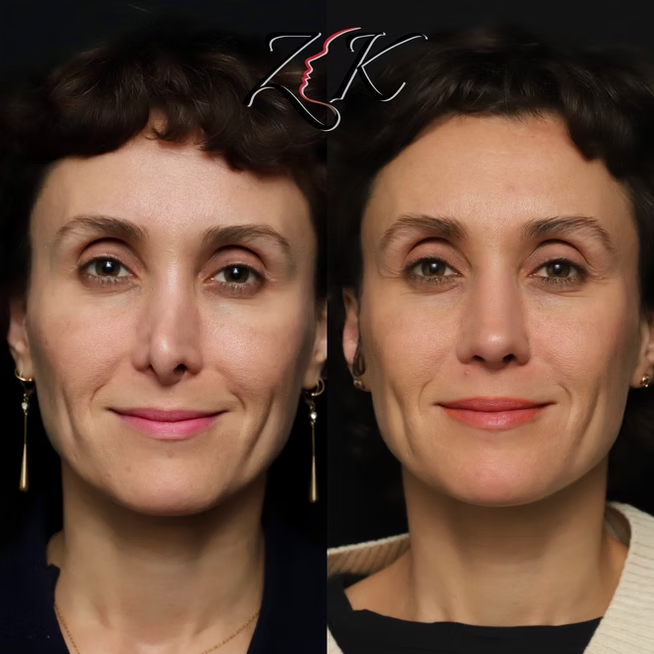
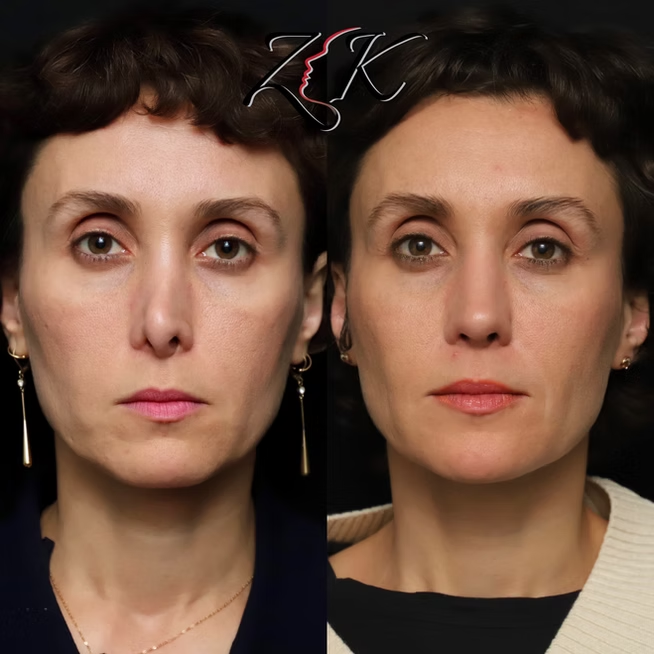
Finding the right reasons for rhinoplasty often involves a mix of physical health, emotional well-being, and professional necessity. While most people associate the procedure with vanity, the reality is that the motivations are frequently rooted in restoring a “normal” quality of life that has been disrupted by genetics or injury.
Correcting Breathing and Structural Issues
The most critical reason for many is functional restoration. A deviated septum—where the wall between the nostrils is crooked—can make breathing through the nose nearly impossible, leading to chronic snoring, sleep apnea, and frequent sinus infections. Beyond the septum, many patients suffer from internal or external valve collapse, where the side of the nose narrows or caves in during inhalation. Rhinoplasty in these cases acts as a form of “airway engineering,” widening passages and reinforcing the nasal walls with cartilage grafts so that every breath feels effortless.
Resolving Post-Traumatic Deformity
For those who have suffered a broken nose from sports, accidents, or falls, the procedure is often a necessity to return the face to its pre-injury state. Trauma rarely just changes the look of the nose; it often shifts the underlying bone structure in ways that create permanent obstruction. Reconstructive rhinoplasty addresses these “crooked” aesthetics while simultaneously resetting the internal hardware, ensuring that the face regains its symmetry and the respiratory system functions as it should.
Achieving Facial Harmony and Professional Confidence
Aesthetics are a deeply personal reason, often tied to facial proportion. Because the nose is the central anchor of the face, a bridge that is too wide or a tip that is too bulbous can distract from the eyes and smile. Patients often seek the procedure not to look like a celebrity, but to achieve a “natural” balance where their nose no longer dominates their appearance. In many professional fields especially those involving public speaking, media, or leadership this boost in self-confidence can lead to a significant shift in how a person carries themselves, allowing their personality to take center stage rather than their profile.
Addressing the Aging Nose
A less discussed but common reason for the procedure is the natural aging process. Over time, gravity and the loss of skin elasticity cause the nasal tip to droop (ptosis), which can make the nose appear longer and even begin to obstruct the nostrils. Rejuvenation rhinoplasty lifts and stabilizes the tip, which not only provides a more youthful appearance but also opens up the airway that has gradually narrowed over decades. This “functional lift” can significantly improve a person’s energy levels and comfort as they age.
Rhinoplasty Procedure
Lorem ipsum dolor sit amet, consectetur adipiscing elit. Ut elit tellus, luctus nec ullamcorper mattis, pulvinar dapibus leo.
Rhinoplasty procedures are generally categorized into two distinct but often overlapping paths: Cosmetic (Aesthetic) and Functional (Reconstructive). While the surgical techniques may share common tools, their goals and the internal “engineering” required differ significantly.
Functional Rhinoplasty: Engineering the Airway
The primary objective of a functional procedure is to restore or improve the patient’s ability to breathe. This isn’t just about moving bone; it’s about managing the physics of airflow. The most common functional procedure is a Septoplasty, where the surgeon straightens the “septum” (the wall of bone and cartilage dividing the nostrils) to clear a blocked passage. However, a truly comprehensive functional rhinoplasty also addresses the Nasal Valves. If these valves are too narrow or weak, they collapse inward when you inhale—like a straw pinching shut. To fix this, surgeons use “Spreader Grafts,” which act like internal structural beams to prop the airway open, ensuring long-term respiratory health rather than just a temporary fix.
Cosmetic Rhinoplasty: Sculpting Facial Harmony
Cosmetic procedures focus on the external “silhouette” and how the nose integrates with other facial features like the chin and forehead. This is often a game of millimeters.
Dorsal Hump Reduction: This involves precisely shaving down the bone and cartilage on the bridge. A unique challenge here is the “Open Roof” phenomenon; once a hump is removed, the nasal bones must be carefully repositioned (infractured) to close the gap and prevent a flat, wide appearance.
Tip Refinement: This focuses on the “lobule” or the end of the nose. If a tip is “bulbous,” the surgeon may remove small portions of the alar cartilage or use “Interdomal Sutures” to cinch the cartilage together, creating a more defined, triangular shape.
Augmentation: For patients with a flat bridge, the surgeon performs an “additive” procedure, using either synthetic implants or the patient’s own rib or ear cartilage to build a stronger, more prominent profile.
The Hybrid Approach: Functional-Aesthetic Integration
In modern practice, the line between these two is increasingly blurred. A “Cosmetic” surgery that ignores function can lead to a beautiful nose that cannot breathe; conversely, a “Functional” surgery that ignores aesthetics can leave the nose looking twisted or collapsed. The most successful procedures are Septorhinoplasties, where the surgeon harvests the deviated part of the septum (Functional) and uses that exact same cartilage as “scaffolding” to reshape the tip or bridge (Cosmetic). This dual-purpose approach ensures that the new shape is structurally sound, using the body’s own materials to create a result that is as breathable as it is balanced.
Types of Rhinoplasty Approaches
1. Open vs. Closed Rhinoplasty (The Entry Point)
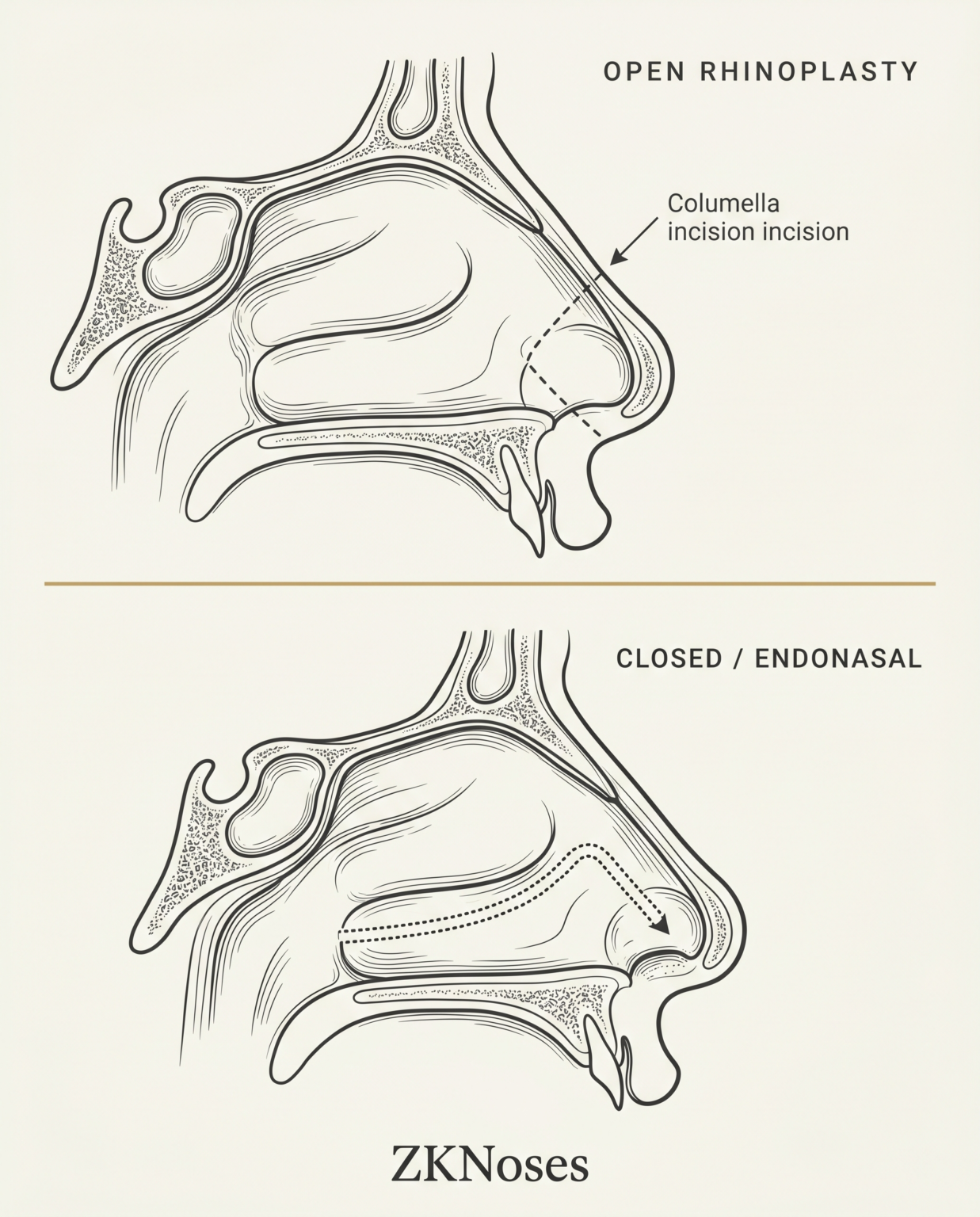
The most common distinction lies in how the surgeon accesses the nasal framework. Open Rhinoplasty involves a tiny incision across the columella (the strip of skin between the nostrils), allowing the surgeon to literally “lift the hood” for a full view of the anatomy. This is the gold standard for complex reconstructions. Closed Rhinoplasty (Endonasal), however, places all incisions inside the nostrils. While it offers a faster recovery and zero visible scarring, it requires an elite level of spatial awareness because the surgeon is working “blind” through narrow tunnels.
2. Preservation Rhinoplasty (The Modern Revolution)
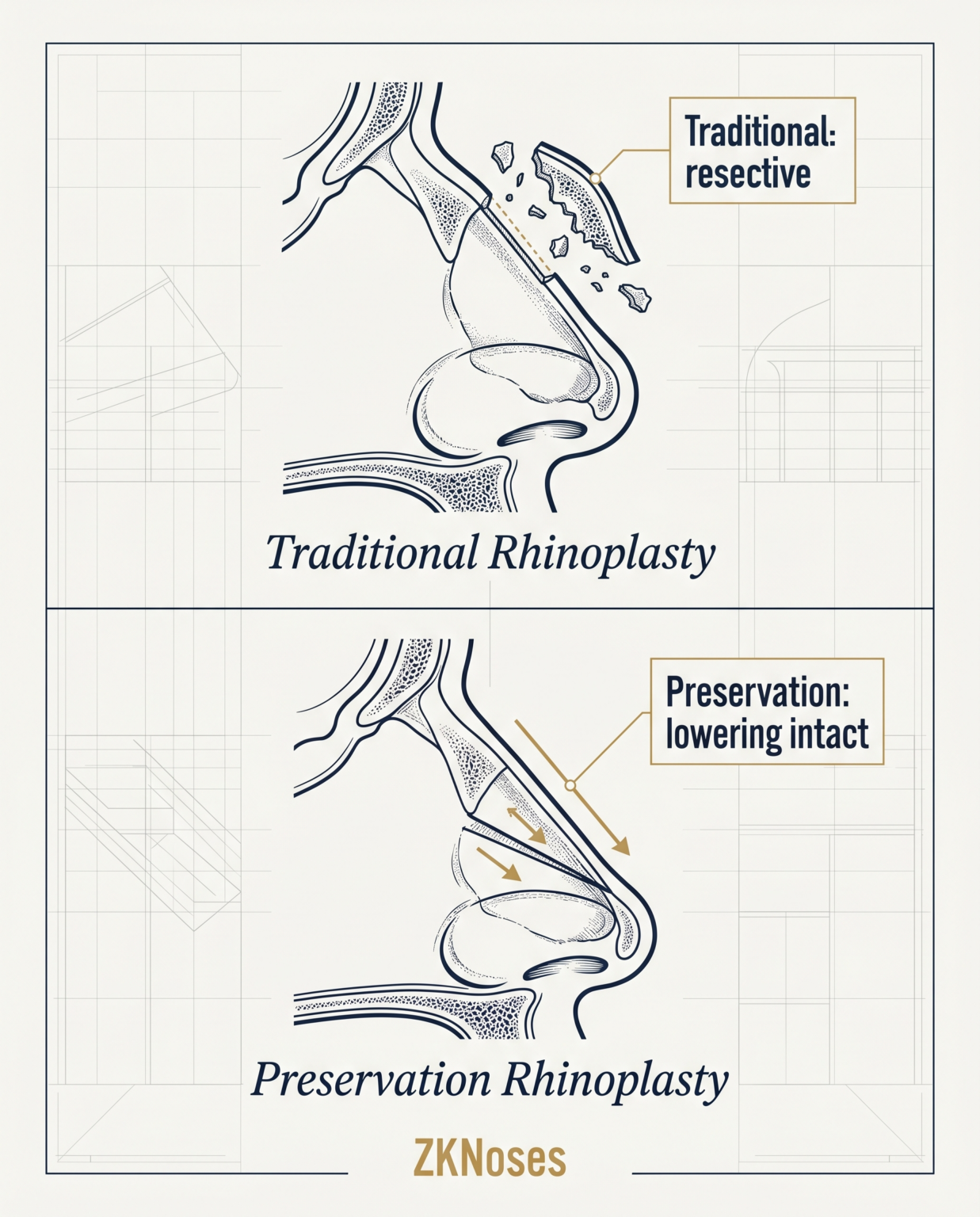
This is currently the most discussed “premium” technique in the surgical world. Traditional rhinoplasty is reductive—surgeons cut away bone and cartilage to remove a hump. Preservation Rhinoplasty flips this on its head; instead of cutting the top of the bridge, the surgeon removes a wedge of bone from underneath the bridge, allowing the entire “roof” of the nose to be lowered intact. This preserves the natural, smooth lines of the bridge and significantly reduces the risk of the “operated” look often seen in older techniques.
3. Ethnic Rhinoplasty (Cultural Harmony)
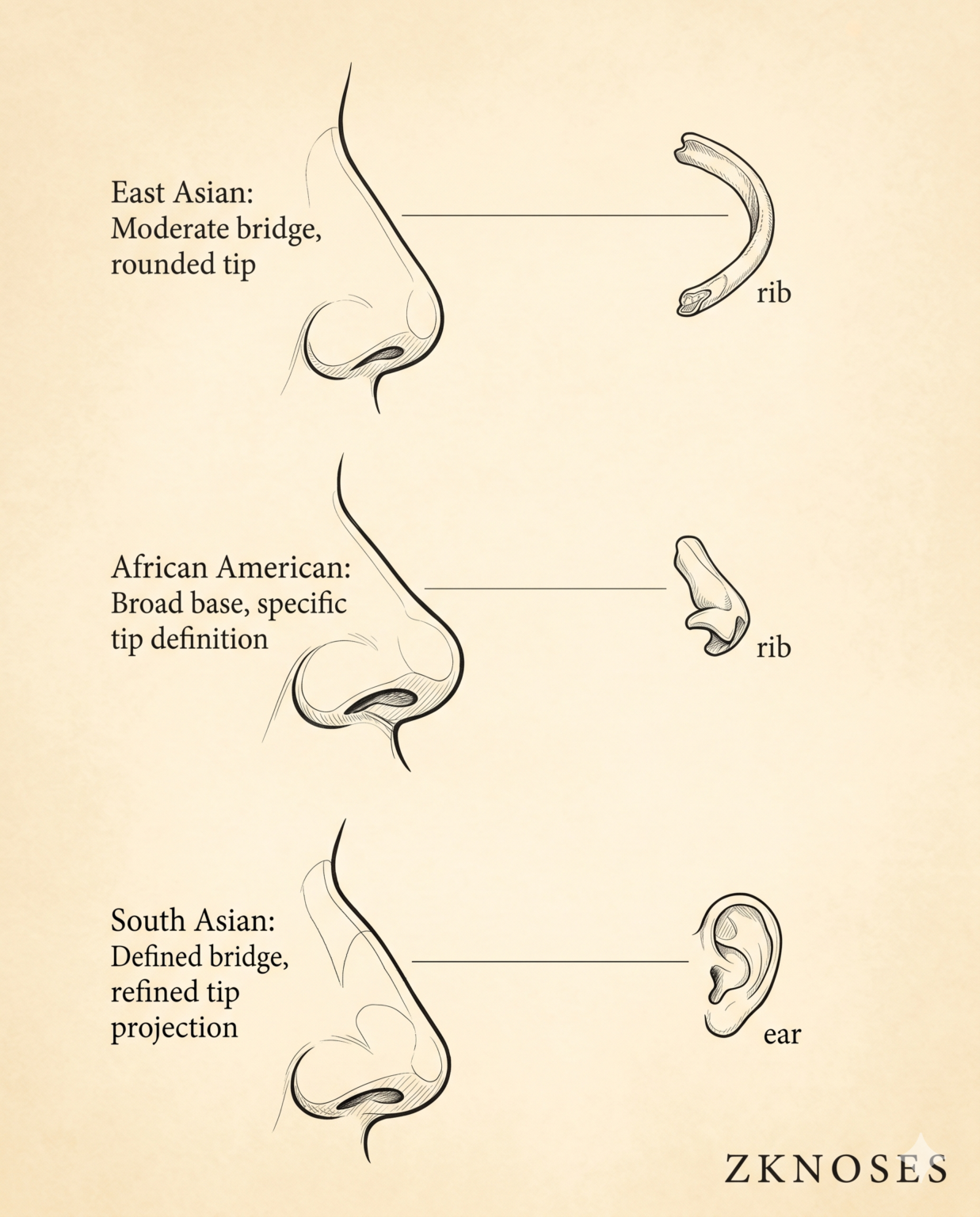
This type of procedure focuses on enhancing the nose while strictly respecting the patient’s unique ethnic identity and facial proportions. Rather than applying a “one-size-fits-all” Western aesthetic, Ethnic Rhinoplasty often involves additive work. For example, in Asian or African American rhinoplasty, the goal is frequently to build up a flat bridge or refine a wide base using cartilage grafts (often from the rib or ear), ensuring the new nose complements the patient’s heritage rather than erasing it.
4. Liquid Rhinoplasty (The Non-Surgical Alternative)
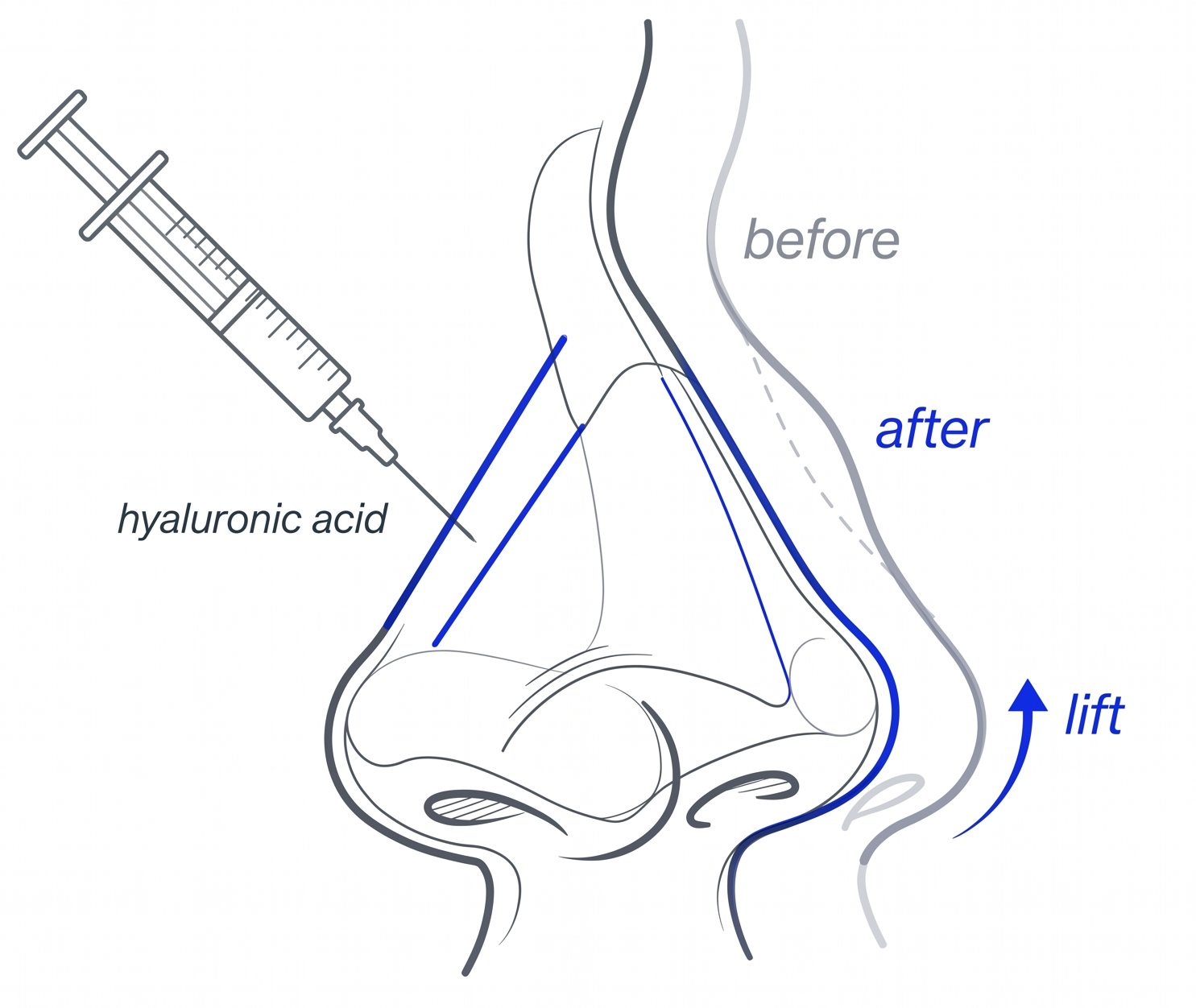
For patients not ready for the “under the knife” commitment, Liquid Rhinoplasty uses injectable dermal fillers (like Hyaluronic Acid) to temporarily camouflage bumps or lift a drooping tip. While it cannot make a nose smaller or fix breathing issues, it is an “instant” procedure with zero downtime. A unique point for your blog: patients often use this as a “trial run” to see how a new profile feels before committing to a permanent surgical change.
5. Revision Rhinoplasty (The Corrective Challenge)
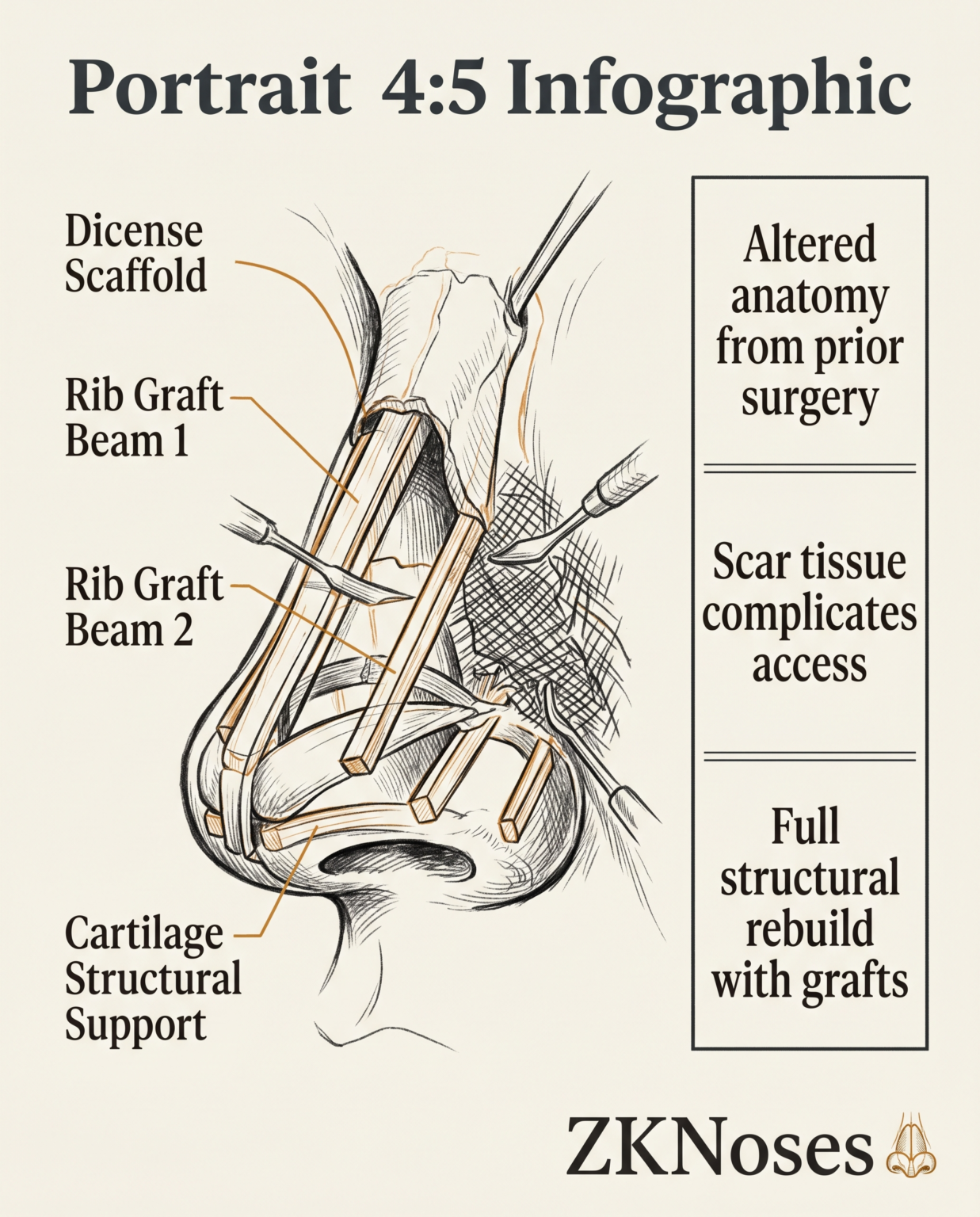
Considered the most difficult sub-specialty, Revision Rhinoplasty is performed on patients who have already had one or more previous surgeries and are unhappy with the result. Because the original anatomy has been altered and scar tissue has formed, the surgeon often has to “rebuild” the nose from scratch using structural grafts. It requires a mastery of “scaffolding”using cartilage from the ribs to restore a nose that has lost its structural integrity.
How is rhinoplasty performed ?
The performance of a rhinoplasty is a highly choreographed sequence that balances surgical precision with biological constraints. Unlike many other surgeries that focus on a single organ, this procedure requires the surgeon to manage bone, cartilage, skin, and mucosal lining simultaneously to ensure the result is both beautiful and functional.
1. Preparation and Anesthesia
The process begins with the administration of anesthesia, typically general anesthesia for more complex structural work or intravenous sedation for minor refinements. Once the patient is asleep, the surgeon injects a local anesthetic mixed with epinephrine into the nasal tissues. This serves two purposes: it numbs the area for post-operative comfort and constricts blood vessels to minimize bleeding, which provides the surgeon with a “bloodless field” for maximum visibility.
2. Gaining Access (The Incision)
Depending on the chosen approach, the surgeon makes the necessary incisions to separate the skin from the underlying framework. In a closed approach, these incisions stay entirely within the nostrils. In an open approach, a small zig-zag incision is made across the columella, the narrow strip of tissue between the nostrils. This allows the “skin envelope” to be gently lifted away, exposing the cartilaginous and bony structure of the nose.
3. Reshaping the Framework
This is the core of the procedure where the actual sculpting occurs. To reduce a dorsal hump, the surgeon may use specialized tools like an osteotome or a powered “rhinoplasty rasp” to precisely shave down the bone and cartilage. If the goal is to refine the tip, the surgeon may remove small portions of the lower lateral cartilages or use permanent sutures to pull them closer together. In cases where the nose needs more projection or support, the surgeon performs “grafting,” taking cartilage from the septum, ear, or rib and carving it into tiny struts or “shields” to reinforce the new shape.
4. Correcting the Septum and Airway
If the patient has breathing issues, the surgeon addresses the internal hardware. The septum is straightened, and any obstructing bone is removed. A unique technical step often performed here is the placement of “spreader grafts.” These are thin strips of cartilage placed like internal rafters to prop open the internal nasal valves, ensuring the patient can breathe clearly even after the external nose has been narrowed or refined.
5. Redraping and Closure
Once the structural work is complete, the skin envelope is redraped over the new frame. This is a critical moment because the skin must shrink-wrap perfectly over the new structure. The incisions are closed with fine sutures, some of which are dissolvable and some that may need removal a week later. To maintain the new shape during the initial healing phase, a plastic or metal splint is applied to the outside of the nose, and soft silicone “stents” may be placed inside the nostrils to support the septum and prevent internal scarring.
Why to choose dr ziad katrib(1.5 hours driving) ?
Choosing a surgeon for a procedure as visible as rhinoplasty is a major decision, especially when it involves a 90-minute drive. While Indianapolis has many talented doctors, Dr. Ziad Katrib has built a specific reputation that often makes the commute south to Louisville worthwhile for patients seeking a specialized touch.
Here are the primary reasons patients choose Dr. Katrib:
1. Dual Board Certification and ENT Background
Unlike general plastic surgeons, Dr. Katrib is board-certified in Otolaryngology (Head and Neck Surgery) as well as Facial Plastic and Reconstructive Surgery. This “inside-out” expertise is critical because it means he views the nose as a respiratory organ first and an aesthetic feature second. For a patient, this minimizes the risk of having a “pretty” nose that cannot breathe properly, as he is trained to manage the internal airway (septum and valves) with the same precision as the external profile.
2. A Focus on Revision Rhinoplasty
Dr. Katrib is frequently sought out for Revision Rhinoplasty, which is widely considered the most difficult procedure in facial surgery. Many of his patients are traveling from out of state because they had a “botched” or unsatisfactory result elsewhere. His ability to rebuild nasal structures using advanced grafting techniques (often using rib or ear cartilage) makes him a “surgeon’s surgeon” for complex cases where the original anatomy has been compromised.
3. Non-“Cookie Cutter” Results
A common complaint with many high-volume rhinoplasty surgeons is that they produce the same “signature nose” for every patient. Reviewers often highlight that Dr. Katrib focuses on Ethnic Rhinoplasty and cultural preservation, ensuring that the new nose fits the patient’s unique facial proportions and heritage rather than looking like a generic surgical template.
4. Patient-Centric “High-Touch” Care
The 1.5-hour drive is often offset by his modern approach to patient communication. He is known for:
Extended Consultations: Patients frequently mention that he spends significant time explaining the “why” behind the techniques, using digital imaging to align expectations.
Direct Access: It is common for him to provide post-operative patients with a direct way to reach him, which is a significant comfort for someone driving back to a different city like Indianapolis.
5. Technical Artistry in Structural Support
He utilizes modern structural techniques, such as Dorsal Preservation and DICE (Diced Cartilage in Fascia). These methods are designed to prevent the common long-term “collapse” or “pinched” look that can happen 5 to 10 years after traditional reductive rhinoplasty. By choosing a surgeon who prioritizes structural integrity, you are essentially investing in a result that is built to last a lifetime.