
TL;DR
Rhinoplasty for breathing problems addresses structural obstruction inside the nose, not just its outer shape. This guide explains what actually causes nasal obstruction, how functional rhinoplasty differs from septoplasty, whether you can fix breathing and appearance in one surgery, and what insurance may or may not cover.
You have tried the nasal strips. The allergy medication. Sleeping propped up on three pillows. None of it fixes the actual problem, because the actual problem is structural.
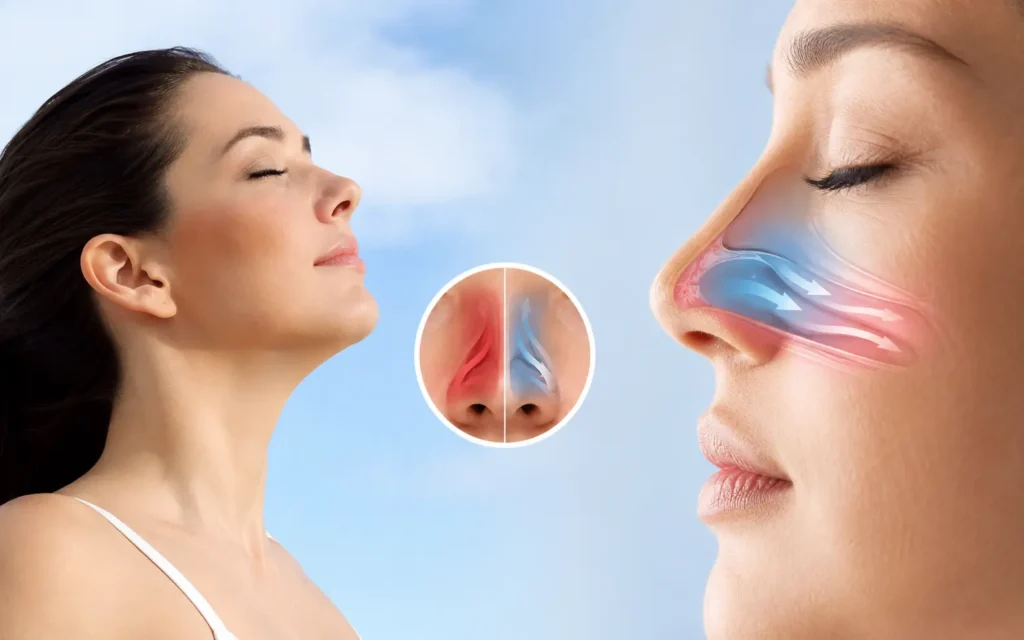
For a large share of patients, chronic nasal obstruction has nothing to do with allergies or colds. It comes down to the internal architecture of the nose itself, and no spray or strip can correct that.
Rhinoplasty for breathing problems exists precisely for this reason. It is surgery aimed at the internal function of the nose, sometimes paired with cosmetic refinement, sometimes not, depending entirely on what is actually causing the obstruction.
What Causes Nasal Obstruction
Nasal obstruction is one of the most common complaints that brings patients into an ear, nose, and throat office, and structural deviation is very often the underlying cause.
Research published through the National Institutes of Health has found that septal deviation prevalence in the general population ranges widely across studies, with some analyses reporting deviation in the majority of adults, though not everyone with a deviated septum experiences noticeable symptoms.
The most common structural culprits include a deviated septum, enlarged turbinates, a narrow nasal valve, and, in some cases, a nose shape that was never quite right after a previous injury or an earlier surgery.
- Deviated septum, present in a large share of the adult population according to published otolaryngology research
- Enlarged or swollen turbinates that narrow the airway
- Nasal valve collapse, where the sidewalls of the nose pull inward during a breath
- Old trauma, such as a broken nose in childhood or sports, that healed off center
Septoplasty vs Rhinoplasty
This is the distinction patients most often get wrong, and it matters for what your surgery will and will not accomplish.
A septoplasty vs rhinoplasty comparison comes down to scope. Septoplasty is a purely internal procedure that straightens the septum. It does not change the outer shape of the nose at all.
A septorhinoplasty combines that internal correction with reshaping the external nose, addressing both function and appearance in a single operation.
- Septoplasty: internal only, corrects the septum, no visible change to nose shape
- Rhinoplasty: can be purely cosmetic, purely functional, or both
- Septorhinoplasty: combines septal correction with external reshaping in one surgery
What Is Functional Rhinoplasty
Functional rhinoplasty nasal obstruction correction goes beyond the septum. It also addresses the nasal valve, the narrowest and most airflow sensitive part of the nasal passage.
Deviated septum surgery alone sometimes leaves a patient still struggling to breathe well, because the true bottleneck was valve collapse rather than septal deviation. A properly trained rhinoplasty surgeon evaluates the entire airway, not just the septum, before recommending a surgical plan.
Can You Fix Breathing and Appearance Together
Yes, and for many patients this is exactly why they choose rhinoplasty for breathing problems instead of a standalone septoplasty.
Breathing improvement, nose surgery and cosmetic refinement are not mutually exclusive. A dorsal hump, a wide nasal base, or a drooping tip can often be addressed in the same operation that resolves nasal valve collapse or straightens the septum, provided the structural planning is done correctly from the start.
Is Functional Rhinoplasty Covered by Insurance
This is usually the deciding factor for patients on the fence. The honest answer is that it depends on documentation, not on how much the breathing problem bothers you.
Insurers generally require evidence that the obstruction is medically significant, often through a physical exam, imaging, and sometimes a sleep study, before approving coverage for the functional component of the surgery. The cosmetic portion, if any, remains the patient’s responsibility. For a full breakdown of documentation and appeals, this practice has a dedicated guide on rhinoplasty insurance coverage.
Conclusion
Struggling to breathe through your nose is not something you have to accept as permanent. If sprays, strips, and allergy pills have stopped working, the cause is very likely structural, and structural problems respond to structural solutions. Rhinoplasty for breathing problems exists specifically to correct what medication cannot reach: a deviated septum, a collapsed nasal valve, or a passage that was simply never built wide enough.
The most important decision is not whether to pursue surgery. It is who evaluates your airway. A surgeon who only looks at the septum can miss a valve problem entirely, leaving you with the same frustration after healing that you had before surgery.
Dr. Ziad Katrib evaluates the full nasal airway, not just the most obvious structural issue, before recommending a plan, and can address cosmetic goals in the same operation when patients want that. If nights of mouth breathing and daytime fatigue have become normal for you, that is worth a real evaluation rather than another box of nasal strips.
The consultation is $300, available virtually or in person. Call 502-445-9311 or visit ZKNoses.com to book yours.
Frequently Asked Questions
How do I know if my breathing problem is structural or just allergies?
A thorough ENT or facial plastic surgery evaluation, sometimes including nasal endoscopy, can usually tell within one visit whether obstruction is structural or related to allergies, since the two often coexist but require different treatment.
Will rhinoplasty for breathing problems change how my nose looks?
Only if you and your surgeon plan it that way. A purely functional correction can be done without changing the external appearance, though many patients choose to address both at once.
How long until breathing improves after surgery?
Initial swelling can temporarily make breathing feel worse in the first one to two weeks. Most patients notice steady improvement over the following months as internal swelling resolves.
Is a septorhinoplasty riskier than a standard septoplasty?
It is a longer, more involved operation, which is exactly why choosing a surgeon experienced in both the structural and cosmetic sides of rhinoplasty for breathing problems matters so much.