TL;DR
Rhinoplasty gone wrong is not always dramatic. It often shows up as subtle asymmetry, a nose that still looks unfinished a year later, or breathing that never actually improved. This guide covers seven concrete cosmetic and functional signs that revision surgery may be worth pursuing.
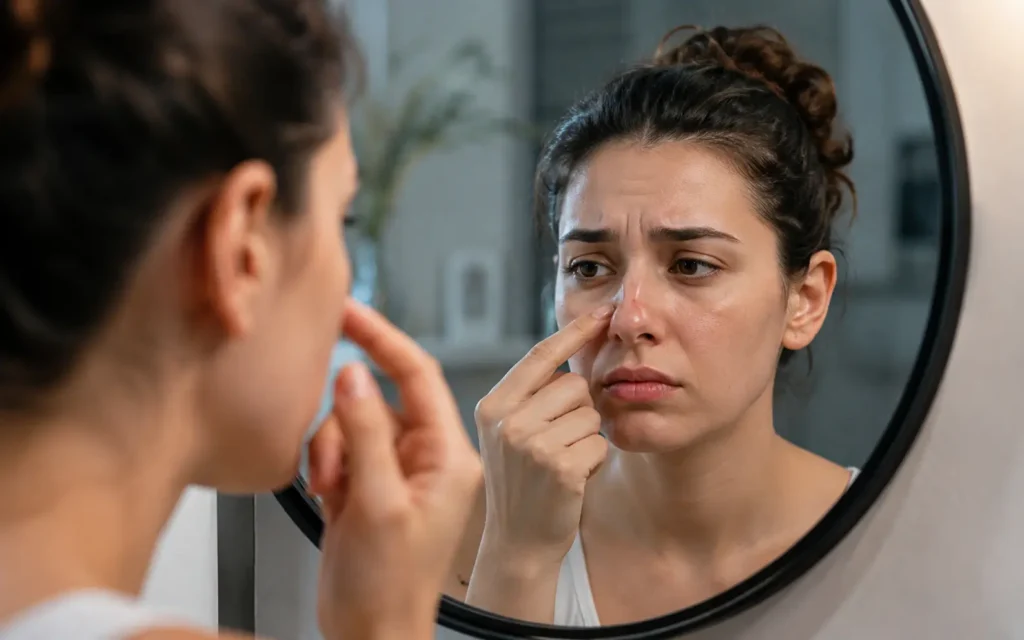
A year has passed. The swelling is long gone. And the nose staring back in the mirror still is not the one you agreed to in that first consultation.
This moment is more common than the polished before and after galleries online would suggest. Rhinoplasty gone wrong does not always mean an obvious surgical disaster. Sometimes it is quieter than that, a persistent imperfection that never resolved the way it should have.
How Common Is an Unsatisfactory Result
Revision rates across published research vary, generally landing somewhere between five and twenty percent depending on surgical complexity and technique, according to multiple peer reviewed studies on rhinoplasty outcomes.
A large-scale review of patient reported outcomes on RealSelf found an overall satisfaction rate of 83.6 percent for primary rhinoplasty, meaning a meaningful share of patients report some level of dissatisfaction significant enough to consider a fix.
Cosmetic Signs Rhinoplasty Needs Correction
Bad rhinoplasty results tend to cluster around a few recurring cosmetic issues, according to patient reported data analyzed in Aesthetic Surgery Journal.
- A residual dorsal hump that was never fully reduced
- An under rotated or drooping nasal tip
- Visible asymmetry between the two nostrils or nasal sidewalls
- A pinched or overly narrow appearance at the middle of the nose
Functional Signs: Breathing Problems
Failed nose job correction is sometimes about function rather than appearance entirely. If breathing never improved after surgery, or actually worsened, that is a legitimate and common reason to pursue revision, separate from any cosmetic concern.
The Over Resected Nose
Over resected nose fix cases involve a nose that had too much cartilage or bone removed during the original surgery, sometimes leading to a pinched middle section, an overly upturned tip, or even collapse of the nasal sidewalls during breathing.
These cases are often more complex to correct than the original surgery, frequently requiring rib cartilage rhinoplasty to rebuild adequate structural support.
When to Consider Revision
Rhinoplasty complications correction is generally not recommended until at least a full year has passed since the original surgery, giving all swelling and healing time to fully resolve before evaluating what actually needs to change.
When to get revision nose surgery decisions should be based on a stable, fully healed result that still shows a clear, specific problem, not an early or premature judgment made a few months out.
How to Find the Right Specialist
Revision cases are consistently regarded as more difficult than primary surgery, given the scar tissue and reduced cartilage supply typically involved. According to some published research on revision rhinoplasty risk factors, this is exactly why a rhinoplasty second opinion from a specialist experienced specifically in revision work matters more here than it does for a first time surgery.
Conclusion
Recognizing that your rhinoplasty gone wrong is not a failure on your part. It is simply information, and information you deserve to act on rather than quietly live with for years. Whether the issue is a residual dorsal hump, breathing that never actually improved, or an over-respected nose that looks pinched from certain angles, these are identifiable, fixable problems, not permanent sentences.
The path forward starts with a fully healed result, an honest evaluation, and a surgeon who specializes specifically in revision cases rather than someone encountering this complexity for the first time. Dr. Ziad Katrib treats revision rhinoplasty as a distinct specialty within his practice, understanding that these cases demand more structural planning, often including rib cartilage grafting, than a first time surgery ever would. If you have spent the past year quietly unhappy with a result that was supposed to boost your confidence, that feeling does not have to be permanent. A proper evaluation is the first step toward the result you were originally promised.
The consultation is $300, available virtually or in person. Call 502-445-9311 or visit ZKNoses.com to book yours.
Frequently Asked Questions
How do I know if my rhinoplasty actually went wrong or if I just need to wait longer?
If it has been under a year since surgery, ongoing swelling could still be resolving. If it has been over a year and specific issues like asymmetry or breathing problems persist, that is when rhinoplasty gone wrong concerns are worth a real evaluation.
Is revision rhinoplasty riskier than the original surgery?
Generally yes, due to scar tissue and reduced cartilage availability, which is exactly why choosing a surgeon experienced specifically in revision cases matters so much.
Can breathing problems after rhinoplasty be fixed without redoing the cosmetic work?
In some cases, yes. A skilled surgeon can sometimes address functional issues without significantly altering the external appearance, depending on what caused the obstruction.
What if my original surgeon says nothing is wrong but I still feel unhappy?
Seeking a rhinoplasty second opinion from an independent revision specialist is a reasonable next step if your concerns feel dismissed rather than genuinely evaluated.