
TL;DR
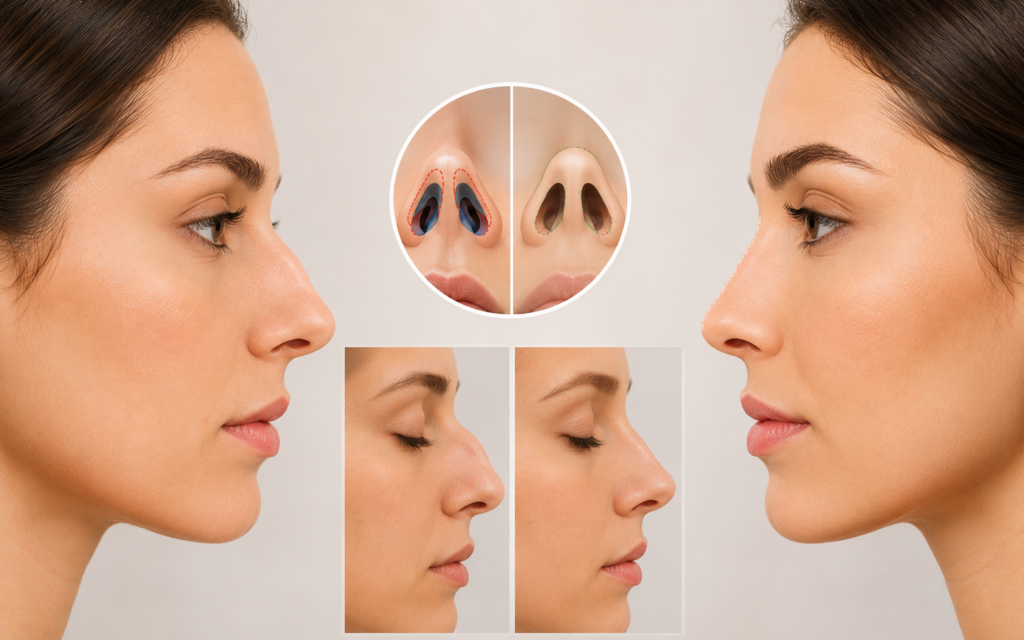
What is revision rhinoplasty comes down to one simple definition: a surgical procedure performed to correct the outcome of a prior rhinoplasty. But the simplicity of that definition hides just how complex the actual surgery is. Revision rhinoplasty is widely considered the most technically demanding procedure in facial plastic surgery, and most general plastic surgeons avoid taking on these cases. Rhinoplasty Indianapolis | Dr. Ziad Katrib, Revision Rhinoplasty Lexington KY | Dr. Ziad Katrib, and Revision Rhinoplasty Cincinnati | Dr. Ziad Katrib all point patients toward one surgeon whose practice is built substantially around exactly this category of case.
Nobody sits you down before your first rhinoplasty and explains what happens if it does not go right. There is no section of the consent form that prepares you for googling “revision rhinoplasty” at midnight, trying to understand what your options even are.
You are not alone in that search. According to a study published in JAMA Facial Plastic Surgery, revision rhinoplasty rates range from 5 to 15 percent depending on surgeon volume and technique, meaning a meaningful number of patients end up exactly where they are now. If you have already looked into rhinoplasty cost Indianapolis, rhinoplasty cost Lexington KY, or rhinoplasty cost Cincinnati, this guide fills in the part most pricing pages skip entirely, what revision rhinoplasty actually is and why it is treated so differently from a first time procedure.
Defining Revision Rhinoplasty
Revision nose surgery definition starts with the basics: it is any rhinoplasty performed after a previous rhinoplasty, with the goal of correcting an outcome that did not meet the patient’s expectations or that resulted in a functional problem such as breathing obstruction.
Secondary rhinoplasty explained simply means the same thing as revision rhinoplasty. The terms are used interchangeably across the field. What both terms point to is a surgery performed on a nose that has already been structurally altered once.
Why It Is More Complex
A first time rhinoplasty works with anatomy that has not been previously touched by a surgeon. A revision case is fundamentally different because the surgeon is working inside a nose where:
- Scar tissue has changed the texture and predictability of the underlying structures
- Cartilage may have been over-resected or removed in the original surgery, leaving inadequate structural support
- The nasal framework has been altered in ways that no longer match standard anatomy
- Breathing function may have been affected by the original procedure, requiring simultaneous structural and functional correction
That JAMA Facial Plastic Surgery statistic reflects how directly surgeon experience correlates with whether a patient needs a second correction at all.
Common Reasons Patients Seek Revision
Failed rhinoplasty correction is sought for a range of specific reasons, and understanding these helps clarify what revision surgery is actually solving for:
- The aesthetic result did not match what was discussed during the original consultation
- Breathing problems developed or worsened after the first surgery
- The nose collapsed, pinched, or lost structural support over time, sometimes called an over-resected nose revision when too much cartilage was originally removed
- Visible asymmetry or scarring resulted from the prior procedure
- A saddle nose deformity developed due to loss of structural support along the bridge
How Revision Is Performed
Revision rhinoplasty almost always uses the open technique, which provides full visualization of the nasal structures. This is necessary because the surgeon needs to assess exactly what remains usable from the original surgery before planning any correction.
In many cases, cartilage grafting is required to rebuild structural support that was lost or damaged. Grafts are typically harvested from the rib, ear, or remaining septal cartilage, depending on what is available and what the specific reconstruction requires.
Every revision case is planned individually. There is no standard revision procedure because no two cases present the same combination of prior surgical changes.
What Makes a Surgeon Qualified
Not every surgeon who performs primary rhinoplasty is equipped to handle revision cases. The skill set required is genuinely different, and many general plastic surgeons refer revision patients elsewhere rather than take on the case themselves.
A genuinely qualified revision surgeon typically demonstrates:
- A revision specific caseload that represents a meaningful percentage of their total practice, not an occasional exception
- Double board certification covering both facial plastic surgery and head and neck surgery
- Demonstrated experience with cartilage grafting techniques
- Membership in rhinoplasty specific professional societies
Recovery Comparison
Revision rhinoplasty recovery generally follows a similar overall timeline to primary rhinoplasty, though swelling often takes longer to fully resolve given the additional tissue work involved in correcting prior surgical changes. Most patients see significant improvement within the first three months, with final results becoming clear over a full year.
Conclusion
Revision rhinoplasty is not a smaller, simpler version of a nose job. It is widely regarded as the single most technically demanding procedure in all of facial plastic surgery, and the surgeon you choose to perform it matters enormously.
Here is what to take away:
- Revision rhinoplasty corrects outcomes from a prior surgery, addressing aesthetic, structural, or functional problems
- The complexity comes from navigating scar tissue, missing cartilage, and altered anatomy
- Cartilage grafting from the rib, ear, or septum is frequently required
- A genuinely qualified revision surgeon has a meaningful percentage of their practice dedicated to exactly this type of case
Dr. Ziad Katrib, MD treats revision rhinoplasty as 60 percent of his entire 200 to 300 procedure annual caseload. For patients across Indianapolis, Lexington, and Cincinnati researching their second surgery, that depth of focused experience is the difference between a successful correction and a third surgery down the line.
The consultation is $300, available virtually or in person. Call 502-445-9311 or visit ZKNoses.com to book yours.
Frequently Asked Questions
What is the difference between primary and revision rhinoplasty?
Primary rhinoplasty is a first time nose surgery performed on anatomy that has not been previously altered. Revision rhinoplasty corrects the outcome of a prior surgery and must account for scar tissue, altered structure, and sometimes missing cartilage.
How soon after my first rhinoplasty can I get a revision?
Most surgeons recommend waiting at least 12 months after the original surgery before pursuing revision, allowing swelling to fully resolve and the final result to become clear before deciding what actually needs correction.
Does revision rhinoplasty always require cartilage grafting?
Not always, but it is common, particularly in cases where the original surgery removed too much cartilage or where structural support along the bridge or tip needs to be rebuilt.
Why won’t some surgeons take on revision rhinoplasty cases?
Revision surgery requires a different and generally more advanced skill set than primary rhinoplasty. Many general plastic surgeons recognize this and refer revision patients to surgeons with specific revision expertise rather than take on cases outside their comfort level.
Is revision rhinoplasty riskier than primary rhinoplasty?
Revision cases are more technically complex due to scar tissue and altered anatomy, which is why surgeon experience specifically with revision work is one of the most important factors in achieving a successful outcome.